Contents
Choosing an ecommerce platform sounds simple at first.. but when you Google best ecommerce platform for business, you open a few comparison blogs and suddenly every platform looks like the best one ever created.
We cannot deny the fact that the ecommerce industry is booming every year. And this has changed how businesses used to operate and how customers used to make purchases. Today when we talk about ecommerce platforms.. Shopify is the name that ranks everywhere. However… there are other platforms as well such as Squarespace, BigCommerce, WooCommerce, Etsy and Wix, which offer many competitive features for different businesses like Shopify is easy, WooCommerce is flexible, Magento is powerful, and BigCommerce is scalable. But… which one is actually right for you?
That’s what we have covered in this blog.. The blog will help you understand Shopify vs other ecommerce platforms and which one is the best ecommerce platform for business. We have also discussed when it makes sense to migrate to Shopify rather than staying stuck with something that no longer fits your business.
Ecommerce Platform Overview
Before you make any decision related to your eCommerce business, you need to understand what each platform is about. And once you understand about these platforms, making a choice between Shopify vs other ecommerce platforms will become easy.
Shopify

Shopify is one of the most widely used ecommerce platforms and for good reasons. It’s built specifically for people who want to sell online without getting buried in technical work. From hosting and security to payments and checkout, Shopify takes care of everything in the background so business owners can focus on products, branding and marketing. You do not need to worry about servers crashing, plugins breaking or updates causing issues… everything is managed for you. This simplicity is exactly why many fast growing brands choose Shopify early on and why so many businesses later decide to migrate to Shopify when other platforms start feeling limiting or high-maintenance. It’s designed to grow with you, whether you are selling 10 products or 10,000.
Key Features
- Simple dashboard with an intuitive store setup process.
- Hosting, security, and updates are managed by Shopify.
- Thousands of apps for marketing, upsells, reviews, and automation.
- Themes and checkout are optimized for mobile devices.
- PCI compliant with free SSL certificates.
- Sell on social media, marketplaces, and in-store POS.
Pros
- No coding skills required to launch or manage a store.
- Works well for small businesses and large brands using Shopify Plus.
- Wide range of third-party tools and integrations.
- High-performing and trusted by customers.
Cons
- Applied unless you use Shopify Payments.
- Pricing increases as you add apps and scale.
- Less backend control compared to open source platforms.
Squarespace

Squarespace is best known as a website builder that prioritizes design and visual presentation. It’s usually chosen by service based businesses who want a beautiful online presence without dealing with complicated setup. eCommerce on Squarespace exists… but it’s more of an extension of its website building capabilities rather than a platform built specifically for ecommerce. You can sell products, manage orders, and accept payments as your business grows. Squarespace works well for startups and simple stores.
Key Features
- Clean, modern templates built for visual appeal.
- Basic tools for selling physical and digital products.
- Hosting, security, and content management included.
- Strong blogging and page-building features.
Pros
- Stores look good with minimal effort.
- Simple interface for beginners.
- Works well for limited product catalogs and is affordable as well.
Cons
- Not ideal for complex stores.
- Fewer options for advanced changes.
- Becomes limiting as business grows.
For a better comparison, read our Shopify vs Squarespace guide.
Wix
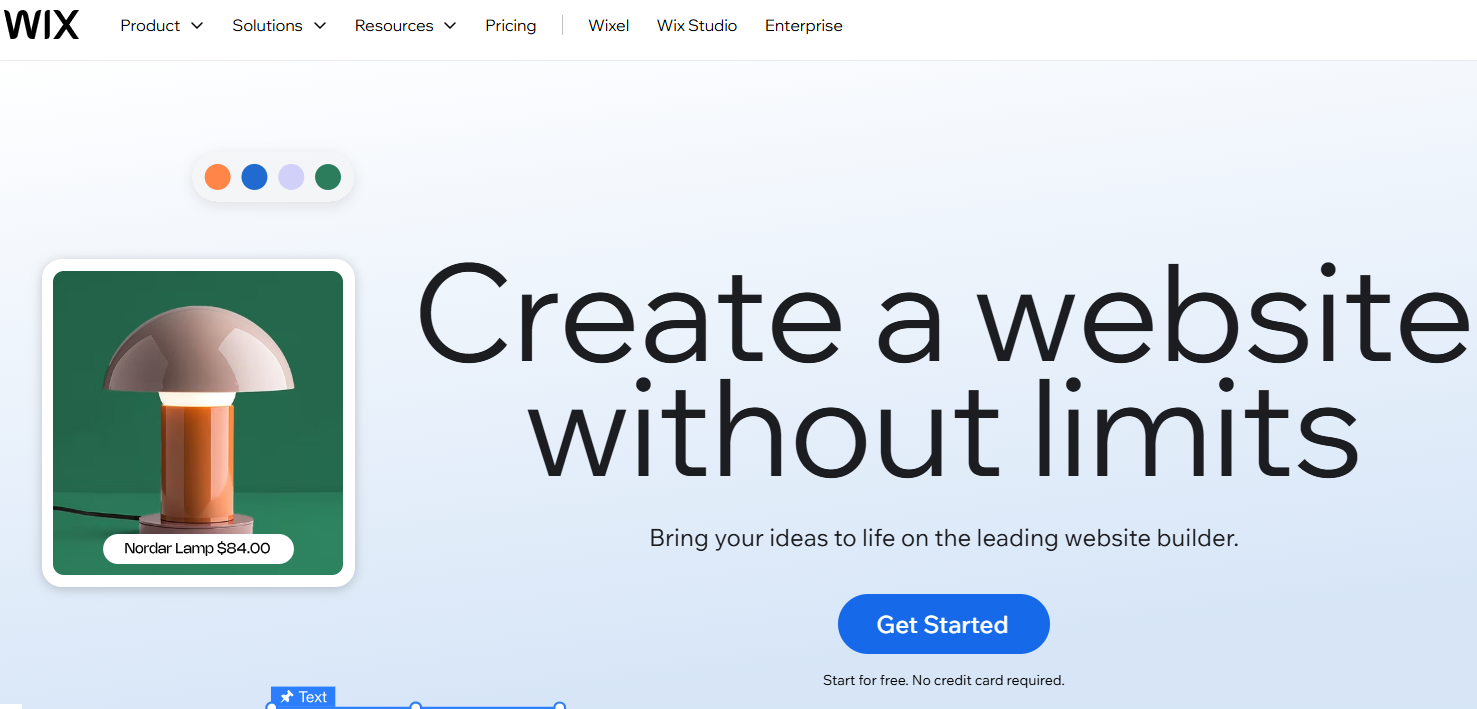
Wix is another popular drag and drop website builder that makes it easy for beginners to get started online quickly. Its biggest strength lies in ease of use… almost anyone can create a website and start selling with minimal effort. Wix ecommerce is ideal for very small businesses, side hustles or first-time sellers who want something simple and affordable.
Key Features
- Visual editor with flexible layouts.
- Product listings, payments and order management.
- No need to manage servers or security.
- Large collection of predesigned themes.
Pros
- Very easy to get started.
- Lower cost for small stores.
- Launch a simple store quickly.
Cons
- Not built for high-volume ecommerce.
- Can slow down as stores grow.
- Less control over conversion optimization.
Magento
Magento, now known as Adobe Commerce… is a powerful and highly customizable ecommerce platform built for large and complex businesses. The platform gives you control over every aspect of your store like backend logic, customer experience and more. This level of flexibility makes it a strong choice for enterprise brands with dedicated development teams and large budgets. However… that power comes with complexity. Magento requires ongoing technical maintenance, hosting management and development resources.
Key Features
- Full access to code and customization.
- Handles large catalogs and complex pricing.
- Manage multiple stores from one backend.
- Designed for large-scale ecommerce operations.
Pros
- Can be tailored to almost any requirement.
- Suitable for very large businesses.
- Advanced control over store functionality.
Cons
- Requires skilled developers.
- Expensive to build and maintain.
- Longer development cycles.
BigCommerce
BigCommerce is a hosted ecommerce platform for growing and mid market brands. It offers many built-in features including advanced product options and B2B functionality. The platform is stable, secure and scalable… which makes it a great option for businesses that want minimal third party dependencies. Its ecosystem and customization options are not as extensive as Shopify’s… but it can still help businesses grow. For businesses with simple needs, BigCommerce works well.
Key Features
- Security and hosting included.
- Many tools available without third-party apps.
- Strong search optimization options.
- Integrates with marketplaces and social platforms.
Pros
- Keeps more revenue per sale.
- Supports growing and mid-sized businesses.
- Handles traffic well.
Cons
- Fewer integrations than Shopify.
- Slightly harder for beginners.
- Less flexibility in design changes.
Check out the full comparison between Shopify vs BigCommerce
WooCommerce
WooCommerce is an open-source ecommerce plugin built specifically for WordPress websites. Businesses which are already using WordPress and now want to add ecommerce functionality to the website can take the benefit of this plugin without switching platforms. The platform offers flexibility and control… allowing store owners to customize almost every aspect of their shop. But that flexibility also means responsibility.. you are in charge of hosting, security, backups, updates and plugin compatibility.
Key Features of WooCommerce
- Turns a WordPress site into an online store.
- Full control over customization and data.
- Thousands of extensions for added features.
- Supports many payment gateways.
Pros of WooCommerce
- Ideal for tailored ecommerce setups.
- Only hosting and plugin costs apply.
- Works well with blogs and SEO content.
Cons of WooCommerce
- Updates, security and backups are manual.
- Poor hosting affects speed.
- Can cause issues as stores grow.
Here’s a detailed breakdown of Shopify vs WooCommerce for SEO and scalability.
Etsy

Etsy is not a traditional ecommerce platform… but it’s a marketplace where sellers can list products alongside millions of other merchants. It’s especially popular for handmade goods, vintage items and creative products. Etsy makes it incredibly easy to start selling because traffic, payments and trust are already built in. However… sellers have very limited control over branding, customer experience and data ownership. You are essentially renting space on someone else’s platform. Overall, Etsy is great for starting out or testing product demand.
Key Features
- Products listed alongside other sellers.
- Access to an existing customer base.
- Etsy manages transactions.
- No website setup needed.
Pros
- Minimal setup required.
- Buyers already trust the platform.
- Low effort to validate demand.
Cons
- Listing and transaction fees reduce margins.
- Little control over store identity.
- Limited access to buyer data.
You can always access the detailed comparison between Shopify vs Etsy here!
Shopify Vs. Other eCommerce Platforms
| Features | Shopify | Squarespace | Wix | Magento | BigCommerce | WooCommerce | Etsy |
|---|---|---|---|---|---|---|---|
| Ease of Setup | When It Becomes Limiting | Easy | Very easy | Complex | Moderate | Moderate | Very easy |
| Hosting Included | Yes | Yes | Yes | No | Yes | No | Yes |
| Technical Maintenance | Fully managed | Fully managed | Fully managed | Requires dev team | Fully managed | Self-managed | Fully managed |
| Scalability | Excellent (SMB → Enterprise) | Limited | Limited–Moderate | Excellent | Excellent | Depends on hosting | Very limited |
| Customization Flexibility | High (themes + apps + code) | Low–Moderate | Moderate | Very high | High | Very high | Very limited |
| Checkout Optimization | Strong, optimized by default | Basic | Basic | Custom but complex | Strong | Depends on setup | Marketplace-controlled |
| App/Plugin Ecosystem | Massive App Store | Limited | Moderate | Extensions available | Smaller ecosystem | Large plugin library | Minimal |
| SEO Capabilities | Strong | Basic | Basic–Moderate | Strong | Strong | Strong (depends on setup) | Limited |
| Multi-Channel Selling | Social, marketplaces, POS | Limited | Limited | Custom setup | Strong | Plugin-based | Etsy-only |
| International Selling | Multi-currency & languages | Limited | Limited | Advanced | Advanced | Plugin-based | Limited |
| Inventory Management | Advanced | Basic | Basic | Advanced | Advanced | Plugin-based | Basic |
| Built-in Analytics | Good, extensible | Basic | Basic | Advanced | Strong | Plugin-based | Basic |
| Payment Options | Wide range + Shopify Payments | Limited | Moderate | Flexible | Wide range | Very flexible | Etsy-controlled |
| Transaction Fees | Yes (waived with Shopify Payments) | Yes | Yes | No platform fee | No | No platform fee | Yes |
| Best For | Growing & scaling businesses | Small, design-first stores | Small stores & beginners | Large enterprises | Mid-market brands | WordPress users | Handmade & creative sellers |
| Brand Ownership | Full control | Full control | Full control | Full control | Full control | Full control | Very limited |
| When It Becomes Limiting | Rare (mostly cost-related) | As soon as you scale | As you grow | Cost & complexity | App limitations | Maintenance & performance | Branding & fees |
Choosing the Right Ecommerce Platform for Your Business
At the end of the day… the best ecommerce platform for business depends on how you plan to run and grow your store. Some platforms give you full control but expect you to handle the technical side and others keep things simple but place limits on how far you can scale.
If you want something easy to manage, reliable under traffic and flexible enough to grow over time, Shopify usually stands out in most Shopify vs ecommerce platforms comparisons. WooCommerce and Magento can work well for businesses with strong technical support… while platforms like Wix and Squarespace are better suited for smaller stores or early-stage sellers. The key is to choose a platform that won’t slow you down six months or a year from now.
Is It Time to Migrate to Shopify?
Many businesses do not start on Shopify.. they move to it. As stores grow.. challenges like site speed, checkout issues, maintenance or limited features often push brands to rethink their platform. That is when the decision to migrate to Shopify starts making sense.
In the broader conversation about Shopify vs other ecommerce platforms and Shopify vs alternatives, Shopify is often considered as the practical choice for long-term growth. It removes technical friction, supports scaling, and lets business owners focus on selling instead of fixing problems. If growth, stability and ease of use matter to you, Shopify is worth serious consideration as your final platform… not just a temporary one.
And if you need help with your ecommerce store, you can always hire Shopify experts. Expert Village Media provides Shopify Development Services, Shopify store setup services and much more for your business to achieve great success.
Connect with Our Shopify Experts Today!
Schedule a Meeting

Amit Porwal
CEO and FounderAmit Porwal is the CEO and Founder of Expert Village Media and Wiser AI . He’s passionate about e-commerce, and loves helping Shopify store owners boost sales with upselling, cross-selling, digital marketing, & personalized shopping experiences. With years of experience in e-commerce web development Amit believes in building simple and effective online store that actually make a difference. He is always excited to talk about the power of personalization and how he can make e-commerce smarter and more customer-friendly with the help of AI.